
For soap makers, the hard part is not only making a good bar. It is knowing where every bar is in the production cycle, which batch it came from, when it will be ready to sell, and how much finished inventory is actually available. When soap batches are small, a notebook, wall calendar, or spreadsheet may feel good enough. But as production grows, cure times, batch numbers, and finished goods can get tangled quickly.
That is where visibility matters. A soap business needs more than a count of bars on a shelf. It needs a clear view of what was made, when it was poured or cut, when it finishes curing, which labels or packaging it still needs, and whether that inventory is truly ready for customers, wholesale buyers, markets, or online orders.
Cure time is not just a date on the calendar
Cure time tracking is one of the biggest operational differences between soap and many other handmade product categories. A batch may be physically present in the studio, but that does not mean it is ready to sell. Cold process soap, for example, may sit on racks for weeks before it is ready for packaging and finished goods inventory.
That waiting period creates a planning problem. If a maker only tracks what is currently on hand, the numbers can be misleading. A rack full of lavender bars may look like available inventory, but if those bars still need three more weeks of cure time, they cannot safely support this weekend's market table or a wholesale reorder due next Friday.
Batch numbers protect more than compliance
Batch numbers are often treated as something serious businesses add later. In reality, they are useful long before a soap brand feels large. A batch number connects the finished bar back to the production record: oils, butters, fragrance, colorants, additives, supplier lots, production date, mold, yield, curing location, and any notes from the day it was made.
That connection matters when something goes right or wrong. If a new fragrance oil behaves beautifully, the maker can trace which soap batches used it. If a color fades, a batch record helps identify whether the issue came from the colorant, usage rate, supplier change, curing environment, or recipe variation. If a customer asks about a specific bar, the business has a clean path back to the details instead of guessing.
Batch inventory also helps the owner avoid mixing similar bars together without context. Two batches of the same scent may look identical on a shelf, but they may have different production dates, ingredient lots, packaging versions, or costs. Without batch-level visibility, those differences disappear.
Finished goods need a clear definition
For soap makers, finished goods should mean more than “made.” A bar may move through several stages before it is truly sellable:
- poured or molded
- cut
- curing
- trimmed or cleaned up
- inspected
- labeled
- packaged
- counted into sellable inventory
- assigned to a sales channel, bundle, market bin, or wholesale order
If those stages are not tracked clearly, the inventory number can become unreliable. A spreadsheet might say there are 180 bars of eucalyptus soap, but 72 may still be curing, 36 may be unlabeled, 24 may already be packed for a market, and 12 may have cosmetic defects that should not be sold at full price.
That is why finished goods tracking needs operational detail. The important question is not only “How many bars exist?” It is “How many bars are ready to sell, where are they, and what batch did they come from?”
This gets harder as scents, sizes, and channels grow
Many soap businesses start with a few core scents and a manageable production rhythm. Then seasonal bars get added, a wholesale account asks for private label packaging, or a market favorite becomes a year-round seller. Suddenly, the maker is tracking production timing, batch history, packaging needs, cured stock, reserved stock, and channel-specific availability.
This is where a basic spreadsheet can begin to crack. It may show quantities, but not the relationship between cure times, batch numbers, finished goods, and future demand. The more SKUs, scents, and sales channels a soap brand manages, the more important it becomes to separate “in production,” “curing,” “ready,” “reserved,” and “sold.”
Common places soap inventory gets messy
The mess usually does not happen because the maker is careless. It happens because the workflow has too many small handoffs for memory to carry reliably.
A few common failure points include:
- cure dates tracked on a separate calendar from production records
- batch numbers written on rack tags but not connected to finished inventory
- bars counted before they are packaged or inspected
- wholesale stock mixed with direct-to-consumer stock
- seasonal batches made early but forgotten until demand has passed
- finished goods adjusted after markets without updating batch inventory
- damaged, undersized, or test bars included in sellable counts
- recipe or fragrance changes noted in one place but not tied back to the batch
Each of these issues creates small amounts of uncertainty. Over time, that uncertainty affects production planning, customer promises, reorder timing, and margin decisions.
What soap makers should track in one connected view
A stronger soap production record does not need to be complicated, but it should connect the details that affect real decisions. At minimum, soap makers should be able to see batch number, recipe version, scent, production date, expected yield, cure start date, target ready date, curing location, inspection notes, packaging status, finished goods quantity, and reserved quantity for wholesale, markets, bundles, or online sales.
That level of detail turns inventory from a rough count into a working production picture. It helps the business see what is coming, what is ready, what is delayed, and what should be made next.
Better visibility supports better production planning
When cure times, batch numbers, and finished inventory are connected, planning becomes less reactive. A maker can look ahead and see that best-selling bars will finish curing before a market weekend, that a seasonal batch needs labels before launch, or that a wholesale reorder should be scheduled now because the current cured inventory will not cover it.
It also helps prevent overproduction. Without clear batch inventory, it is easy to make another batch of a popular scent because the shelf looks low, only to realize later that more bars were curing in another area. It is just as easy to underproduce because a spreadsheet shows inventory that is not actually sellable yet.
Good records do not remove the craft from soap making. They protect it. They give the maker a calmer way to plan production without relying on memory, sticky notes, or last-minute counts.
Where Kerno fits
Kerno is being built for small-batch manufacturers that need better control over inventory, production, costing, and growth. For soap makers, that means bringing materials, soap batches, cure time tracking, batch records, and finished goods into a clearer system so decisions are based on what is actually happening in production.
Kerno is not meant to make soap making feel corporate. It is meant to help makers keep the operational side from getting in the way of the quality, consistency, and care they already put into the product.
Practical takeaway
If your soap business is growing, start by defining the difference between made, curing, packaged, ready, reserved, and sold. Then make sure every batch number follows the product from production through finished inventory.
A simple count of bars is useful, but it is not enough. The stronger question is: which soap batches are ready, which are still curing, and which finished goods can you confidently promise to customers?
To learn more about how Kerno helps product-based businesses bring more clarity to production and inventory, explore the Kerno resource library or join the launch list.
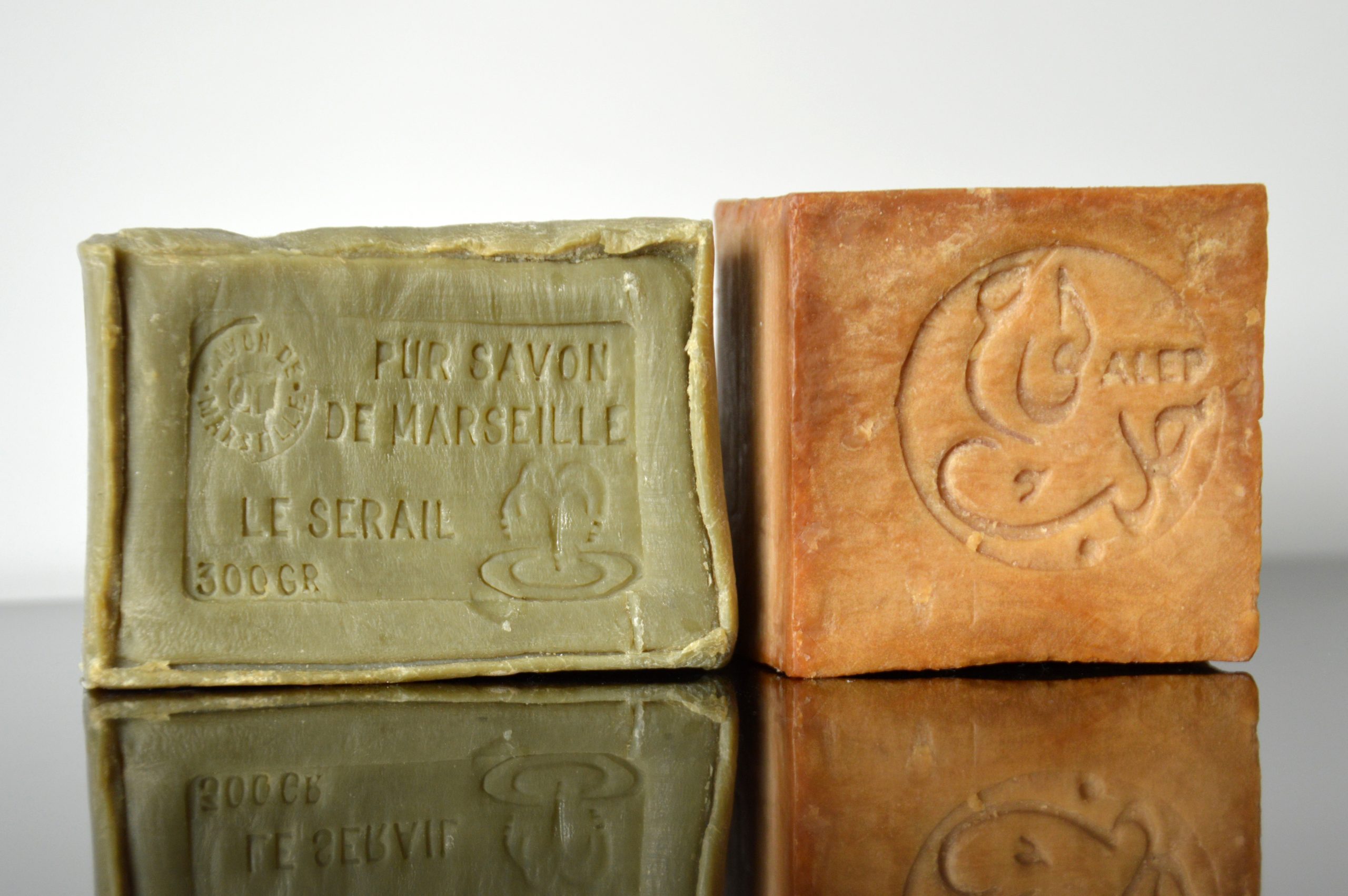
Image note: Real photo from Wikimedia Commons. Real photograph from Wikimedia Commons by Clusternote, released under CC0 1.0 Universal Public Domain Dedication. Commercial use permitted; attribution not required. Source: Wikimedia Commons file page.