
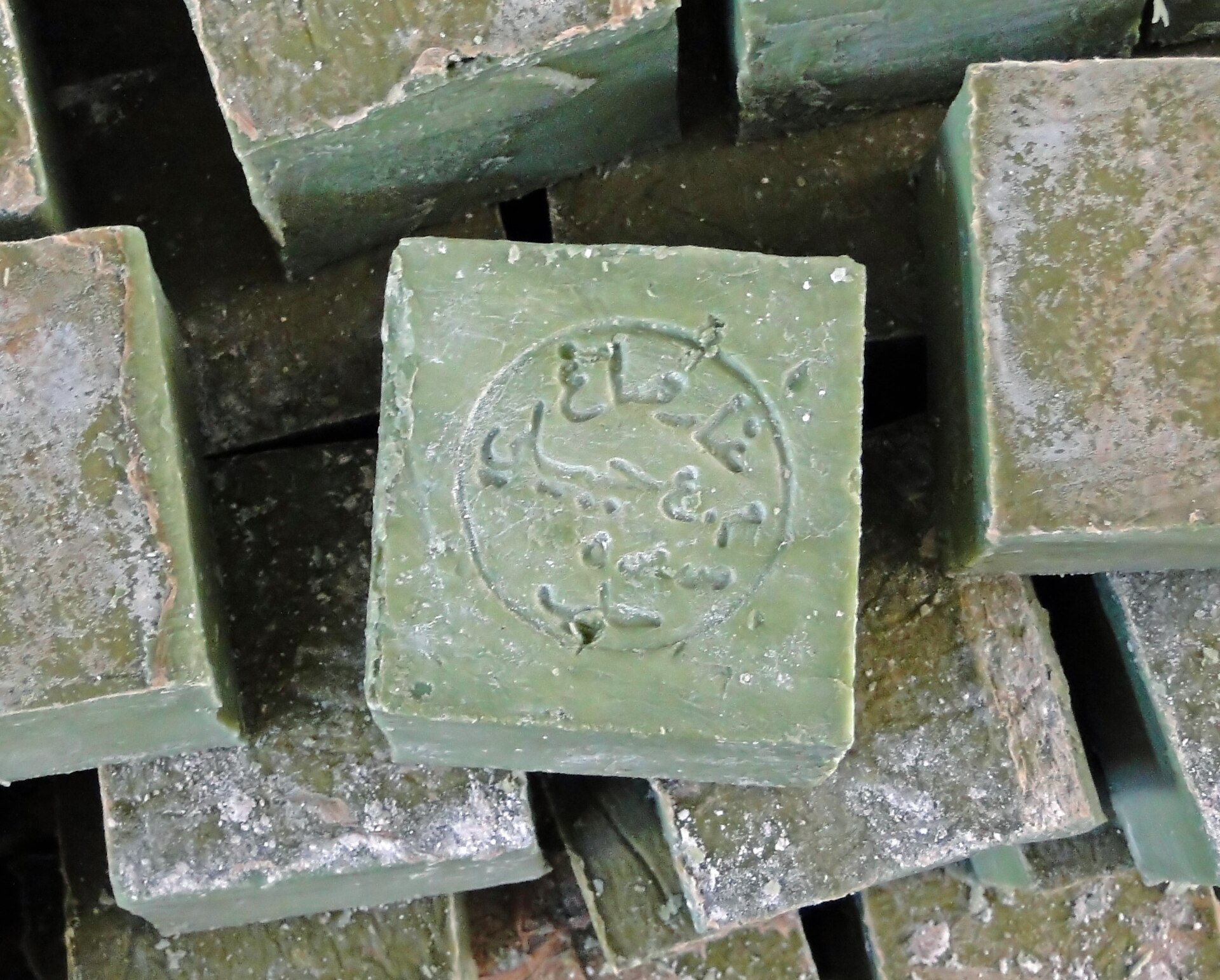
A full curing rack can feel like proof that a soap business is productive. Materials have been mixed, molds have been filled, bars have been cut, and the room smells like work is moving forward. But until those bars finish curing, pass quality checks, and are packaged for sale, the cash spent on oils, lye, fragrance, colorants, labor, and space has not returned to the business.
That does not make curing a problem. It makes cure time a planning constraint. The risk appears when production keeps filling shelves faster than customers empty them.
Good production planning helps a soap maker keep enough inventory moving through cure without turning every available dollar into bars that cannot be sold yet.
Understand where the cash is sitting
When a batch is poured, the business has already paid for most of what went into it. The oils and additives are consumed. Labor has been used. Molds, cutters, trays, racks, and climate-controlled space are occupied. Packaging may already be ordered.
Accounting may eventually show that value as inventory, but the bank balance tells the more immediate story: the money has left, and the product cannot produce revenue today.
Separate soap inventory into at least three states:
- Raw materials available for future batches.
- Work in progress that is poured, cut, or curing.
- Finished goods that have passed checks, are packaged, and are available to sell.
This distinction matters because 500 bars “in inventory” can create false confidence if 420 of them are still curing or already reserved for wholesale orders.
Build production dates from the sellable date
Start with the date the bars must be ready for customers, then work backward. Include the full soap cure time, cutting, any beveling or stamping, quality review, wrapping or labeling, final counts, and a small buffer for unexpected delays.
If a wholesale order must ship on October 15 and the product needs four weeks to cure, the pour date cannot be October 1. Packaging and inspection still need time after curing. The realistic production date may be early September, depending on the formula and process.
Use the cure requirement established for each approved recipe rather than applying one universal number to every bar. Formula, water content, bar size, storage conditions, and the business's quality standards can affect the timeline. Record the expected ready date when the batch is made so the team does not have to recalculate it from memory later.
Plan from demand, not empty rack space
An open rack is capacity, not an order. Before making another batch, compare expected demand with the inventory that will become sellable during the same period.
Review confirmed orders, normal weekly sales, subscriptions, markets, promotions, wholesale commitments, and seasonal patterns. Then subtract usable finished goods and bars already curing that will be ready in time.
For example, suppose a business expects to sell 180 lavender bars during the next six weeks. It has 45 finished bars and 100 curing bars scheduled to be ready within three weeks. The actual uncovered need is 35 bars, plus a reasonable safety amount—not another 150-bar run simply because the mold is available.
Forecasts will never be perfect, but a basic demand range is more useful than producing from habit. If the business can make another batch before a stockout under the expected case, it may not need to commit cash today.
Limit work in progress deliberately
Many soap businesses limit batches based only on rack space. A stronger rule also considers dollars and weeks of demand.
Choose a practical work-in-progress limit for each product or product family. It might be a maximum number of curing batches, a maximum dollar value committed to cure, or enough bars to cover a defined number of weeks. The right limit depends on sales consistency, material lead times, available cash, and how quickly another batch can be made.
A core bar with steady repeat sales may justify deeper coverage than a new seasonal scent. A custom wholesale product backed by a purchase order is different from a speculative collection with no sales history.
When a product reaches its work-in-progress limit, pause it until sales or confirmed demand create room. This protects cash flow and prevents one popular-to-make item from crowding out products customers are actually waiting for.
Treat slow sellers differently from proven products
The cure period delays feedback. By the time the first batch of a new scent is ready and tested at market, a second and third batch may already be on the racks. If the launch is weaker than expected, the business is left with too many bars and fewer dollars available for the products that are selling.
Use smaller test batches for new fragrances, colors, shapes, and seasonal ideas. Let early sales, waitlist interest, preorders, or retailer commitments guide the next run. Reordering a winner can be inconvenient; discounting months of a weak seller can be much more expensive.
Review aged finished goods alongside curing stock. If finished bars are already moving slowly, adding another batch increases the problem even when the unit cost looks efficient.
Do not forget packaging cash
A curing bar may not need its final wrap immediately, but packaging decisions still affect the cash tied to it. Ordering labels, boxes, belly bands, or inserts for the entire forecast before demand is proven can double the commitment.
Where practical, use packaging that can serve several products and delay product-specific printing until quantities are clearer. Confirm that packaging will arrive before the ready date without buying months of branded materials.
Keep packaging inventory separate from finished goods. A cured bar without the required label may be physically ready but still unavailable for sale.
Review the cure pipeline every week
A simple weekly cure review can prevent surprises. For each batch, record the product, batch number, quantity made, losses or samples, pour date, expected ready date, cure location, reserved quantity, and current status.
Then ask four questions:
- Which batches become sellable in the next two weeks?
- Which confirmed orders depend on them?
- Which products are above or below the desired coverage level?
- What new batch, if any, is justified by demand and available cash?
Update the expected quantity when bars are damaged, sampled, or fail a check. A production record that always assumes perfect yield will overstate future inventory.
Protect cash with a rolling production view
A useful plan shows more than what to make this week. Look across the next six to eight weeks so curing batches, packaging needs, and expected sales can be seen together.
List each product's finished quantity, curing quantity by ready date, committed demand, material readiness, and proposed next pour date. Add the estimated cash required for the next batch. This makes tradeoffs visible before production starts.
Kerno is being built to help businesses that make physical products connect materials, batches, production status, costing, quality, and finished inventory. For soap makers, that clearer view can make it easier to distinguish what is on a rack from what is actually ready and available to sell.
Practical takeaway
Before pouring the next batch, calculate how many sellable bars you expect to need by the next realistic production opportunity. Subtract finished stock and curing bars that will be ready in time. Add a modest safety amount based on real sales variation, then compare the batch cost with the cash the business needs for other materials, packaging, and orders.
The goal is not an empty curing rack. It is a controlled pipeline that turns materials into finished goods at roughly the pace customers turn those goods back into cash.
Explore more Kerno Resources or join the launch list if you want better control over inventory, production, costing, and quality as your soap business grows.