

Paint and coating makers work with materials that can change a batch quickly: pigments, binders, additives, solvents, containers, labels, and even supplier-specific lots. When those details live in separate spreadsheets or in someone’s memory, it gets harder to explain why one run looked perfect and another came out slightly different.
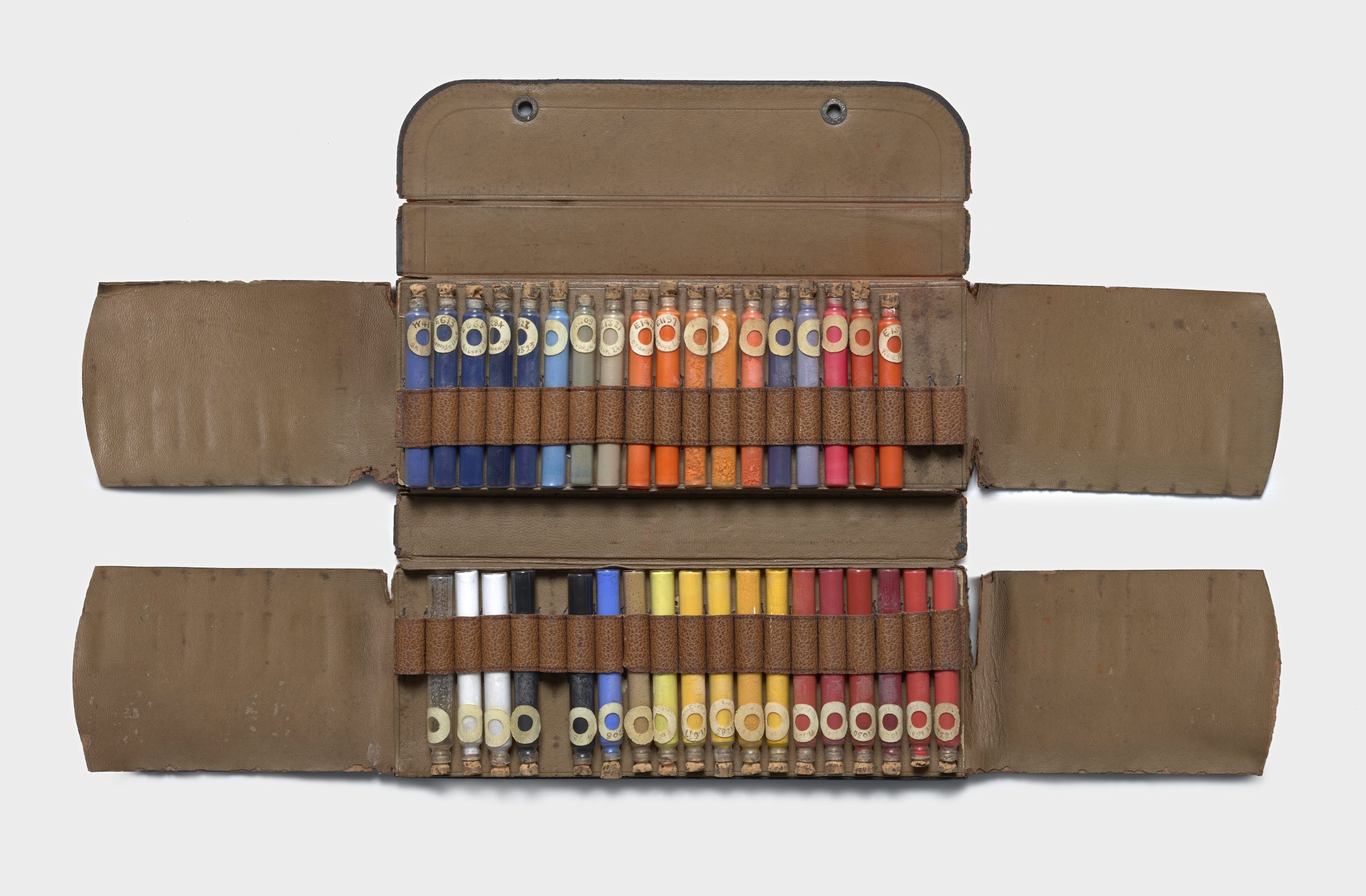
That is why pigment inventory, coating formulas, batch consistency, and material costs need to be tracked together instead of treated as separate admin chores. The goal is not more paperwork. The goal is a cleaner way to protect color accuracy, control cost changes, and understand what happened in each production run.
Why paint and coating records get complicated fast
A small operation may start with a manageable set of products: a few standard colors, a handful of bases, and repeat customers who know what they like. At that stage, it can feel reasonable to keep formulas in a spreadsheet, purchase records in email, and batch notes in a notebook near the mixing area.
The trouble usually appears when the product line grows. A coating brand may add more sheens, more substrates, more colorways, or more packaging sizes. A paint maker may start taking larger orders or custom requests. A supplier may change the concentration, particle size, tint strength, or price of a pigment. Suddenly, the old recordkeeping system has to answer questions it was never built to answer.
Which pigment lot went into the last batch? Was the ratio adjusted because the color was drifting? Did the new binder change dry time? Did the container cost increase before the latest wholesale quote? Those questions matter because they affect product quality, customer confidence, and margins.
Track the formula, not just the final product name
For paints and coatings, the product name is rarely enough. Two batches can share the same product name but differ in formula version, raw material lots, tint load, additive package, or packaging format.
A useful production record should connect the finished item to the exact coating formulas used. That includes pigment ratios, base materials, additives, water or solvent amounts, target viscosity, mixing time, QC checks, and any approved adjustments made during production. If a batch needed an extra pigment correction, that note should stay with the batch history instead of disappearing into a margin comment or a text message.
Formula version control is especially important when you are improving a product over time. Maybe a coating gets better coverage after an additive change. Maybe a custom color gets translated into a standard SKU. Maybe a pigment substitution works technically but shifts the finished color under certain lighting. Without a clear record of which version was used, it becomes difficult to repeat the result with confidence.
Pigment inventory should connect to batch usage
Pigments are not just items on a shelf. They are color-critical, cost-sensitive materials. If pigment inventory is tracked only by quantity on hand, the business may miss the context that matters most.
A stronger record connects each pigment to supplier, lot number, received date, unit cost, expected use, and actual batch consumption. That makes it easier to understand whether a shortage is coming, whether a new lot was introduced before a consistency issue, or whether a high-cost pigment is quietly changing the profitability of a product line.
This does not need to be overly complicated. For example, a maker might track that Batch PC-2407 used a specific blue pigment lot, a standard white base, a modified additive amount, and a particular pail size. If the next run looks different, the team can compare actual records instead of reconstructing the process from memory.
Batch consistency depends on the small details
Batch consistency is not only about following the recipe. It depends on how accurately materials are measured, how substitutions are approved, how adjustments are documented, and how QC results are reviewed.
Paint and coating makers may need to track color drawdowns, viscosity readings, weight checks, cure or dry time notes, coverage results, label version, container type, and customer-specific requirements. Those details become more important when products are sold through wholesale, used by repeat commercial customers, or made in custom runs.
If a batch passes visual inspection but required a different adjustment than usual, that should be captured. If a supplier change causes a pigment to behave differently, that should be tied back to the affected batches. Clear records help a team spot patterns earlier and avoid treating every issue as a one-off problem.
Material costs can move before pricing catches up
Material costs are another reason paints and coatings need connected records. Pigments, resins, solvents, additives, cans, lids, labels, and shipping materials can all change price. If those costs are updated in purchasing records but not reflected in product costing, margins can shrink without anyone noticing right away.
This is especially risky for products that look simple from the outside but rely on expensive inputs. A small increase in a specialty pigment or additive may not change the batch process, but it can change the true cost of a quart, gallon, kit, or custom order. The same is true when packaging sizes change or a supplier minimum forces larger purchases than expected.
Better costing records help operators see which products are still priced correctly and which ones need review. They also support better quoting for custom batches, where pigment load, packaging, labor, and waste can vary from the standard catalog.
Where spreadsheets and notebooks start to fail
Spreadsheets can work for a while, especially when one person knows the system well. But they become fragile when formulas, inventory, batch records, and costing all depend on separate tabs or files.
Common failure points include outdated formula copies, missing lot numbers, batch notes that never get entered, material costs updated in one place but not another, and finished goods counts that do not match what was actually produced. The more custom work a paint or coating brand takes on, the more those gaps matter.
The biggest risk is not that a spreadsheet is messy. It is that the business cannot confidently connect the finished product back to the materials, formula version, and decisions that created it. That makes troubleshooting slower and repeat production less reliable.
What clearer records make easier
When pigment inventory, coating formulas, batch history, and material costs are connected, day-to-day decisions get easier. A production lead can see whether enough pigment is available before committing to a run. A founder can review whether a seasonal color is still profitable. A team member can repeat an approved custom batch without relying on the one person who remembers the adjustment.
Clearer records also make customer conversations easier. If a buyer asks about a repeat order, the business can review the actual batch history. If a color issue appears, the team can compare pigment lots, formula versions, and QC notes instead of guessing.
How Kerno fits into this kind of work
Kerno is being built for businesses that make physical products and need better control over inventory, production, costing, and quality records. For paint and coating makers, that means helping bring materials, formulas, batch records, and costs into a more reliable operating view without forcing the business into bloated enterprise software.
Practical takeaway
If your paint or coating records feel scattered, start by choosing one product line and mapping what needs to stay connected: formula version, pigment lots, material costs, batch adjustments, QC checks, packaging, and finished goods. Once those pieces are tied together, it becomes much easier to protect consistency and understand the real cost of each run.
Want more practical resources for product-based businesses? Explore Kerno’s resource library and join the launch list to follow what we are building for small-batch production teams.