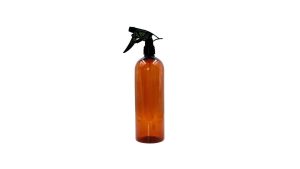

A cleaning product is more than the liquid inside the bottle. To make one sellable unit, a business may need an approved formula, the right materials, a compatible bottle and closure, the current label, a recorded production run, an honest product cost, and completed quality checks.
When those facts live in different spreadsheets, notebooks, folders, and memory, production can look ready when it is not. The formula may be current, but the label is not. The team may have enough liquid materials for 300 bottles, but only 240 approved triggers. A batch may be planned for 240 units, while actual acceptable output is 232.
Kerno helps cleaning-product businesses connect formulas, materials, packaging, production and batch records, costing visibility, finished-goods visibility, and QA workflows. The practical value is a clearer operating path from “we plan to make this” to “these units are recorded and ready for the business’s next decision.”
Define the complete product before planning production
A useful product setup begins with everything required to complete the SKU. For a surface spray, that might include water and formula materials, a bottle, trigger, label, tamper feature, carton, and any other packaging the business requires. A refill pouch or concentrate may need a different set of components.
Units of measure matter. A material may be purchased by the drum, stored by weight, and consumed by the gram or ounce. Bottles and triggers are counted as pieces. The product definition needs quantities that production can actually use.
Kerno helps keep formula requirements, materials, and packaging connected to the product. That changes the planning question from “Do we have enough cleaner?” to “Do we have enough of every required item to complete the planned quantity?”
For a deeper look at these records, use this guide to cleaning-product formula versions, bottles, labels, and chemical inventory.
Keep the standard formula separate from the actual batch
The formula describes the intended product. The batch record describes what happened during one production run. Mixing those two records together can erase useful history.
Suppose a production plan calls for 240 finished spray bottles. During the run, the operator may use two approved material lots, record an actual quantity that differs from the target, replace damaged bottles, or document a process observation. Those facts belong with the batch. They should not silently overwrite the standard formula used to plan future work.
Kerno’s production and batch records help connect a defined product setup with the materials, packaging, quantities, notes, and actual output for a real run. That gives the business a clearer basis for reviewing differences between batches.
Software does not decide whether a substitution, formula change, or process result is acceptable. The cleaning-product business remains responsible for its specifications, methods, approvals, and qualified judgment.
Treat materials and packaging as one production constraint
A cleaning-product business can have every formula material on hand and still be unable to finish the product. Bottles, caps, triggers, pumps, labels, seals, pouches, and cartons determine how much production can become complete finished goods.
If a business has material for 300 units but only 240 complete packaging sets, the practical ready-to-finish capacity is 240. Producing extra bulk liquid may tie up cash, space, and attention without creating anything ready to ship.
Kerno’s material and packaging inventory visibility helps operators review the full requirement together. The pre-run packaging check for cleaning products offers a practical way to test complete-set capacity before production begins.
Record actual output before updating costs and finished goods
A plan is not a finished-goods count. If the target was 240 units but eight were damaged, rejected, held, or otherwise not accepted under the business’s process, the finished-goods view should not automatically show 240 sellable units.
In this example, 232 acceptable units are the relevant output for the next inventory decision. The difference also matters for cost visibility because the batch’s consumed materials and packaging were spread across fewer acceptable units than planned.
Kerno provides costing visibility connected to materials, packaging, and production. That helps the business work from current operating records instead of an old launch spreadsheet. The business still decides how labor, overhead, freight, selling fees, waste, samples, and other expenses belong in its broader pricing and profitability analysis.
Make quality checks part of the production record
A filled and labeled bottle is not automatically approved for sale. Each cleaning-product business needs quality and consistency checks appropriate to its products, process, claims, responsibilities, and applicable requirements.
Depending on the product and the business’s defined process, internal checks may address appearance, fill quantity, packaging condition, label version, closure fit, formula or batch information, and whether required review steps are complete. Kerno’s QA and consistency workflows help keep those defined checks connected to production and finished-goods status.
Kerno does not guarantee chemical safety, product performance, regulatory compliance, or a particular quality result. It does not replace testing, safety documentation, qualified expertise, or release authority. It helps organize the operational records around decisions the business remains responsible for making.
The guide to simple quality checks every product business should document can help turn informal checks into repeatable records. The article on batch consistency through production records explains why actual inputs, process notes, output, and checks belong together.
Review one SKU from formula to release
Choose one familiar cleaning product and answer these seven questions:
- Is the current product formula clearly defined?
- Are required materials and packaging components connected to that product?
- Can you see whether enough of every item is available for the planned quantity?
- Does the batch record show what was actually used and produced?
- Is acceptable output separated from units rejected, held, or unfinished?
- Do current material and packaging records support the product-cost view?
- Are the business’s required quality checks complete before finished goods are treated as ready?
If one answer requires several files or the founder’s memory, that is the first connection to improve. Start with one repeat SKU. A clear end-to-end record is more useful than importing every product before the operating logic has been tested.
Frequently asked questions
Can Kerno organize cleaning-product formulas and materials?
Kerno supports product formulas and inventory control for materials, helping a cleaning-product business connect what a product requires with the items available for production.
Does Kerno include bottles, closures, labels, and other packaging?
Kerno supports packaging inventory alongside materials, so production planning can account for the complete set of components needed to finish a product.
How does Kerno support cleaning-product batch records and costing?
Kerno’s production and batch records connect actual runs with materials, packaging, output, and QA workflows. Its costing visibility helps operators review current product costs, while the business remains responsible for broader pricing and profitability decisions.
Does Kerno guarantee chemical safety, compliance, or product quality?
No. Kerno organizes operational records and QA workflows. The business remains responsible for formulas, testing, safety, labeling, compliance, specifications, and release decisions.
Explore Kerno with one repeat cleaning product
Kerno Beta is open now, free of charge while in Beta, with no credit card required. Choose one familiar SKU and explore how its formula, materials, packaging, production record, costs, finished goods, and quality checks can stay connected.