

Cleaning product brands often grow from a practical starting point: one dependable formula, a few bottles, a supplier spreadsheet, and production notes that make sense to the person doing the mixing. When the product line is small, that can feel manageable. The founder knows which surfactant came from which supplier, which fragrance was used, which labels are current, and which bottle fits which cap.
The trouble usually shows up later. A formula gets adjusted. A supplier changes concentration or lead time. A bottle style goes out of stock. A label revision lands while old labels are still on the shelf. Chemical inventory, packaging inventory, and batch tracking all start to overlap. If those records are scattered, it becomes harder to know what was made, what changed, and what can be produced next.
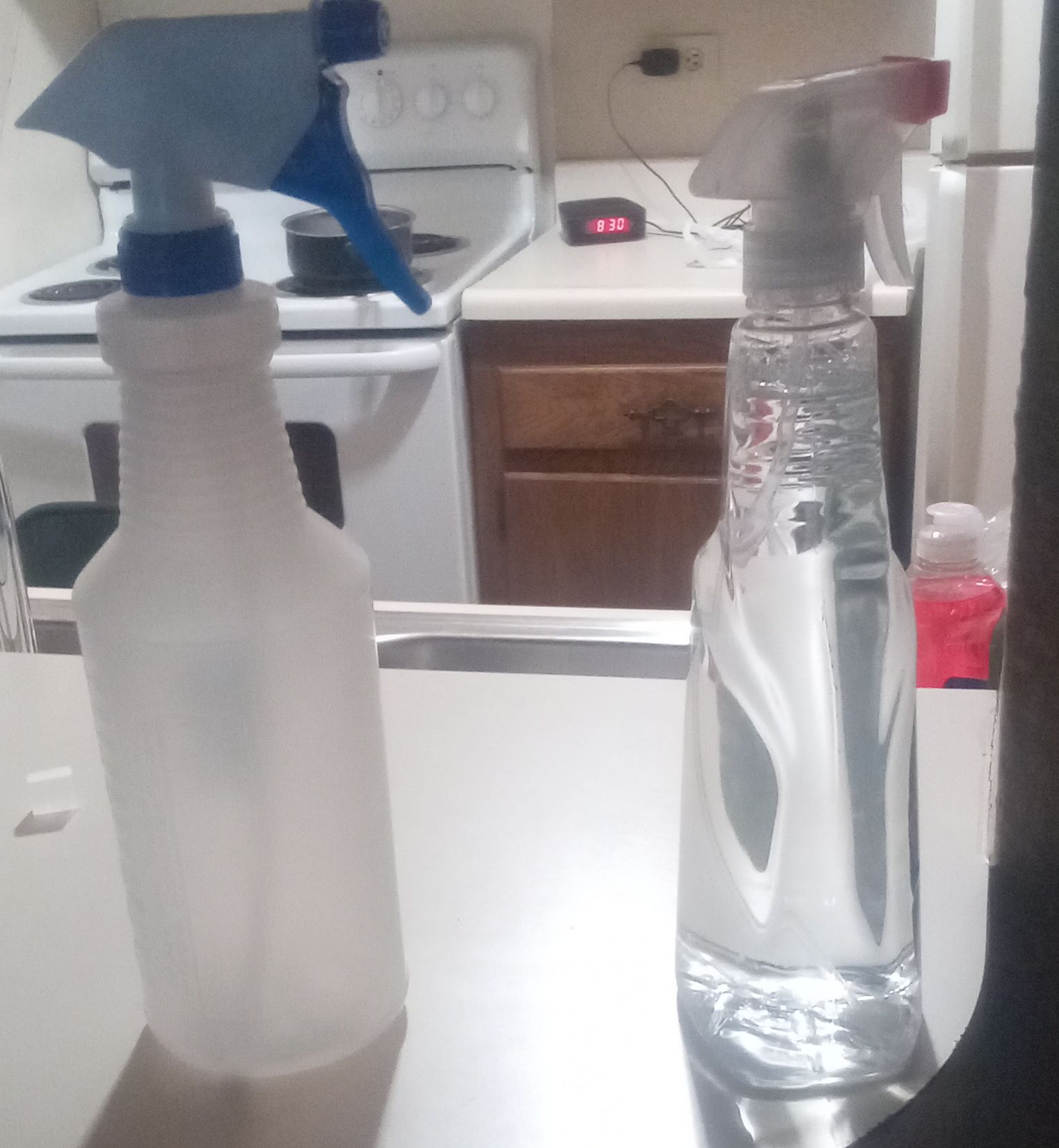
For cleaning product brands, better records are not just administrative cleanup. They protect consistency, reduce rework, and help operators make safer decisions when formulas, materials, bottles, caps, labels, and production schedules are moving at the same time.
Formula versions need a clear history
Cleaning product formulas can change for good reasons. A supplier may discontinue an ingredient. A fragrance or colorant may need to be adjusted. A dilution rate may change. A preservative, solvent, surfactant, enzyme, or active ingredient may come from a new source. Even a small change can matter if the finished product is expected to perform the same way every time.
That is why cleaning product formulas need version control. A brand should be able to see which formula version was active for each production run, what changed, who approved the change, and when the new version replaced the old one.
Without that history, teams can end up comparing batches without knowing whether they were actually made from the same formula. A customer complaint, scent difference, viscosity change, or labeling question becomes harder to investigate because the record does not show the path from version to version.
Chemical inventory should connect to production
Chemical inventory is different from simple finished goods counting. Materials may have lot numbers, expiration dates, storage requirements, concentration differences, safety data sheets, or handling notes. Some ingredients may be interchangeable only within limits. Others may require tighter control.
Useful chemical inventory records should show what is on hand, where it came from, which lot it belongs to, how much was used in each batch, and whether any material is nearing a reorder point or shelf-life concern. For example, a brand making glass cleaner, dish soap, laundry spray, or surface cleaner may need to track surfactants, solvents, fragrance oils, preservatives, acids, bases, enzymes, colorants, and water treatment notes.
If chemical inventory is tracked in one spreadsheet and batch records live somewhere else, it is easy to miss the connection. The team may know that a drum was received, but not which production runs consumed it. Or they may know a batch was made, but not which ingredient lot was used.
Packaging inventory can stop production even when materials are ready
Cleaning product production depends on more than the formula. Bottles, caps, sprayers, pumps, refill pouches, labels, seals, cartons, inserts, and case packs all affect what can actually be finished and shipped.
A brand may have enough blended product ready to fill, but not enough 16-ounce spray bottles. It may have bottles and caps but not the correct warning label. It may have labels for the old formula name but not the updated version. These are packaging inventory problems, but they quickly become production delays.
Tracking bottles, caps, labels, and other components alongside materials gives operators a more honest view of production capacity. It helps answer a practical question: what can we make and finish with the inventory we actually have?
Batch tracking keeps formula, material, and packaging details together
Batch tracking is where the record becomes useful. A cleaning product batch record should connect the formula version, ingredient lots, quantities used, production date, operator notes, QA checks, packaging components, yield, rejects, and finished goods movement.
That does not mean every small brand needs a complicated system on day one. But the batch record should be clear enough that someone can look back later and understand what happened. If a retailer asks which batches used a certain label, or a customer reports an issue with a specific lot, the answer should not depend on memory.
Good batch tracking also helps with everyday operations. It can show whether yields are changing, whether a formula is creating more rejects, whether a supplier change affected consistency, or whether finished inventory counts are drifting away from reality.
Where spreadsheets and notebooks usually break down
Spreadsheets are often the first step toward organization, and they can be useful. The problem is that cleaning product operations usually involve several connected records at once. One tab tracks chemical inventory. Another tracks bottles. Another tracks labels. A production sheet tracks batches. A separate file holds formula notes. Safety or QA checks may live in a folder, notebook, or shared drive.
Each piece may be reasonable on its own, but the connections become fragile. A formula update may not be reflected in the batch sheet. A packaging substitution may not be tied to the finished goods record. A supplier lot may be entered in inventory but not carried into production notes.
Notebooks create a different risk. They may capture useful detail in the moment, but they are harder to search, compare, and share. When production gets busy, the most important note is often the one that gets skipped.
Clearer records make growth less fragile
As cleaning product brands add SKUs, scents, sizes, wholesale accounts, refill formats, or seasonal runs, recordkeeping becomes part of the product itself. Clear records help teams plan purchasing, avoid packaging surprises, understand material costs, compare batches, and keep QA checks visible.
They also help separate problems. If a margin issue appears, it may be tied to chemical costs, packaging costs, yield changes, or waste. If a consistency issue appears, it may be tied to a formula version, supplier lot, mixing step, or storage condition. Connected records make those questions easier to investigate.
The goal is not paperwork for its own sake. The goal is operational confidence: knowing what went into a product, how it was made, what changed, and what is ready to sell.
How Kerno fits into this work
Kerno is being built for businesses that make physical products and need better control over inventory, production, costing, and quality records. For cleaning product brands, that means helping connect formulas, chemical inventory, packaging inventory, batch records, and finished goods so production does not depend on scattered tabs and memory.
Kerno does not replace the judgment of the people making the product. It gives those people a clearer system for tracking the details that matter.
Practical takeaway
If you make cleaning products, start by choosing one SKU and tracing the full path from formula to finished goods. Can you see the formula version, ingredient lots, chemical inventory usage, bottles, caps, labels, QA notes, batch number, yield, and finished inventory movement?
If that path is hard to follow, that is the place to improve first. Better records help teams catch shortages earlier, understand changes faster, and make production decisions with more confidence.
Want more practical resources for product-based businesses? Explore Kerno’s resources and join the launch list to follow what we are building for teams that need more control over materials, batches, formulas, and growth.