
Pet treat and grooming brands often start with practical systems: a supplier invoice in one folder, a recipe note in a notebook, labels stacked near the packing table, and safety reminders living in someone’s head. That can work for a while, especially when the product line is small and the founder is close to every production run.
But as orders grow, those loose systems get harder to trust. Pet product inventory is not just about knowing how many bags, jars, tins, bottles, or labels are on the shelf. It is also about knowing which ingredients went into which pet treat batches, which packaging was used, what safety notes applied, and what changed between one run and the next.
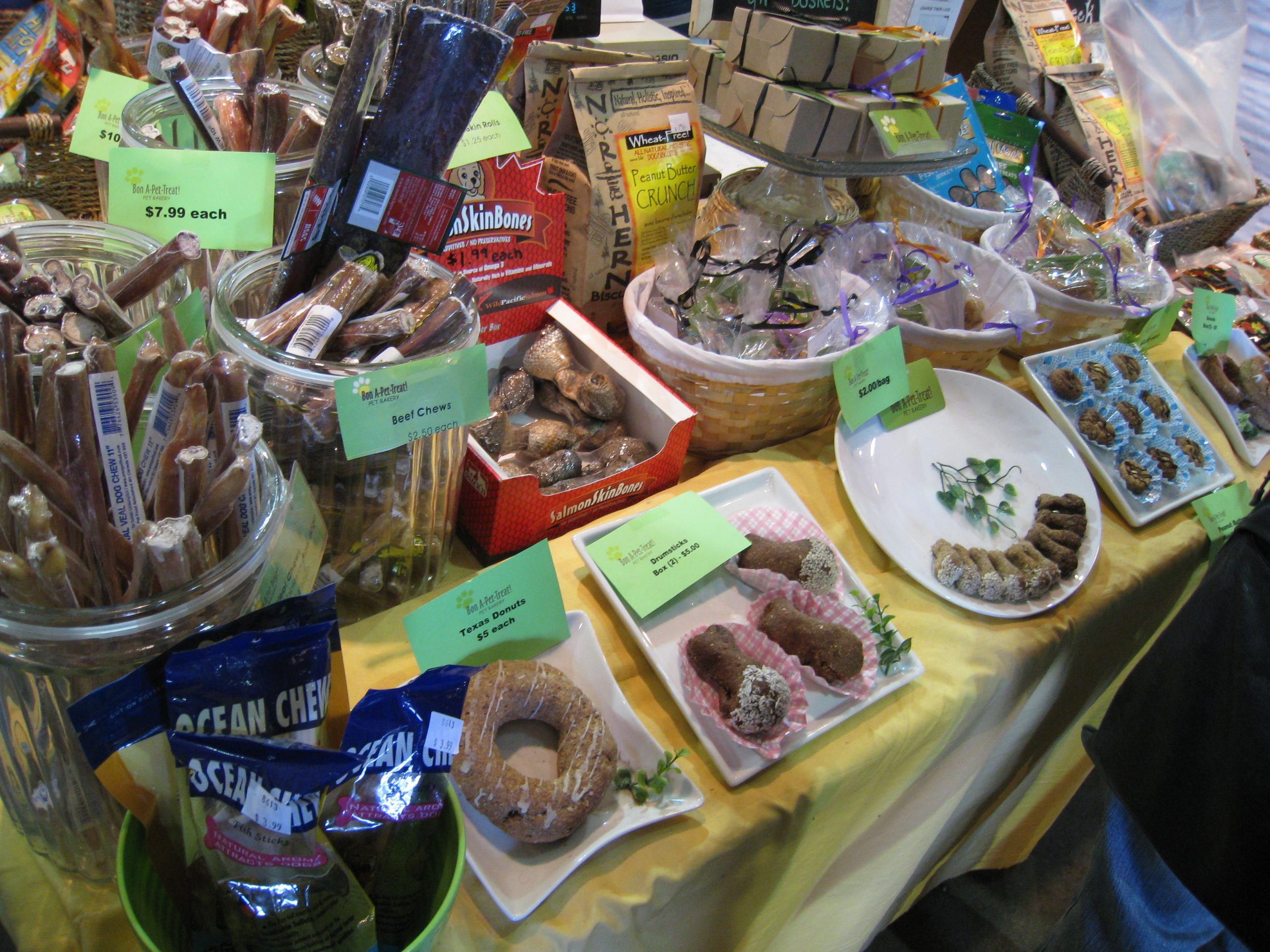
For businesses making products for pets, that recordkeeping matters. Customers are trusting you with animals they care about deeply. Retailers may ask better questions as you grow. And your own team needs clean production notes so the product can stay consistent without every answer depending on the founder.
Why pet product records get harder as the business grows
A small pet treat brand might begin with two or three recipes and a handful of packaging sizes. A grooming brand might start with one shampoo, one balm, and one spray. In the early stage, it is tempting to rely on memory because the details feel obvious.
Then the business adds more flavors, scent options, sizes, seasonal bundles, wholesale packs, or private-label runs. A supplier swaps an ingredient. A label design changes. A jar size gets discontinued. A retailer wants proof that a specific batch was made with a specific ingredient lot. Suddenly, the old notes are not enough.
The operational problem is not that the brand is careless. It is that the system was built for a smaller version of the business.
What pet treat and grooming brands should track
Clean records do not need to be complicated, but they do need to be specific. For pet treat batches, useful records usually include the recipe version, ingredient lots, production date, batch number, yield, packaging used, and any allergen or handling notes. If the recipe includes peanut butter, oats, pumpkin, chicken, fish, or supplements, the source and lot details should be easy to find later.
For grooming products, the same discipline applies to formulas, oils, fragrances, preservatives, bottles, caps, pumps, labels, and safety notes. If a balm formula changes because a wax supplier changed, or a shampoo bottle changes because a packaging vendor runs short, that should be visible in the production history.
At minimum, pet brands should be able to answer:
- Which ingredients or materials were used in this run?
- Which supplier lots were involved?
- Which packaging components were used?
- What recipe or formula version was followed?
- Were there any safety, allergen, handling, or QA notes?
- How many finished units were produced, held, rejected, or released?
Those answers become much harder to reconstruct after the fact.
Ingredient safety notes should not live in memory
Pet products often carry ingredient-specific concerns. A treat recipe may need allergen notes, storage notes, dehydration timing, moisture checks, or shelf-life reminders. A grooming product may need dilution guidance, skin sensitivity notes, fragrance limits, preservative checks, or supplier documentation.
If those details live only in a notebook or in one person’s head, they are easy to miss during a busy production day. That risk grows when help is added, orders are packed quickly, or multiple SKUs are produced in the same week.
Ingredient safety records are not just about compliance language. They help the team make the same product the same way, with fewer assumptions.
Packaging inventory can create production delays
Many pet brands pay close attention to ingredients but underestimate packaging. Bags, tins, jars, bottles, caps, pumps, scoops, inserts, tamper seals, and labels can all stop production if they are short at the wrong time.
This gets especially messy when packaging varies by size, flavor, scent, retailer, or sales channel. A brand may have enough treat mix ready but not enough labels for the 6-ounce bag. Or a grooming brand may have enough shampoo base but not enough pumps to finish wholesale cases.
Tracking packaging inventory alongside ingredients gives a clearer view of what can actually be produced and shipped. Finished product planning depends on both.
Where spreadsheets and notebooks usually fail
Spreadsheets can be useful, but they often become fragile as pet product lines grow. One tab tracks ingredients. Another tracks packaging. Batch notes sit in a separate document. Safety notes are copied from an old run. Finished goods counts are updated after markets, Shopify orders, wholesale invoices, and sample packs.
The failure point is usually connection. The ingredient record does not connect cleanly to the batch record. The batch record does not connect cleanly to finished goods. Packaging changes do not connect cleanly to production planning. Over time, the team has numbers, but not confidence.
Notebooks have a different problem. They may capture the truth of the day, but they are hard to search, compare, and share. If a customer, retailer, or team member asks what changed between two batches, the answer may require flipping through pages and hoping the right note was written down.
Clearer records protect consistency and confidence
Good production records help pet product brands reduce guesswork. They make it easier to plan ingredient purchases, avoid packaging surprises, compare batch yields, spot recipe drift, and understand what is ready to sell.
They also help separate similar problems. A margin issue may come from ingredient cost increases. A fulfillment delay may come from packaging shortages. A consistency issue may come from a supplier change. A stockout may come from finished goods not being updated after wholesale orders.
When records are clearer, operators can diagnose those problems sooner.
How Kerno fits into this work
Kerno is being built for businesses that make physical products and need better control over inventory, production, costing, and quality records. For pet treat and grooming brands, that means bringing ingredients, packaging, batch records, safety notes, and finished goods into a more connected system instead of spreading them across fragile tabs and memory.
It is not about adding paperwork for its own sake. It is about making the work easier to trust as the business grows.
Practical takeaway
If you make pet treats, grooming products, or related pet goods, start by choosing one product and reviewing the records around it. Can you see the ingredient lots, packaging components, recipe or formula version, production notes, safety reminders, and finished goods movement in one clear path?
If not, that is the place to improve first. Better records do not just help when something goes wrong. They help every normal production day run with fewer surprises.
Want more practical resources for product-based businesses? Explore Kerno’s resources and join the launch list to follow what we are building for teams that need more control over materials, batches, and growth.